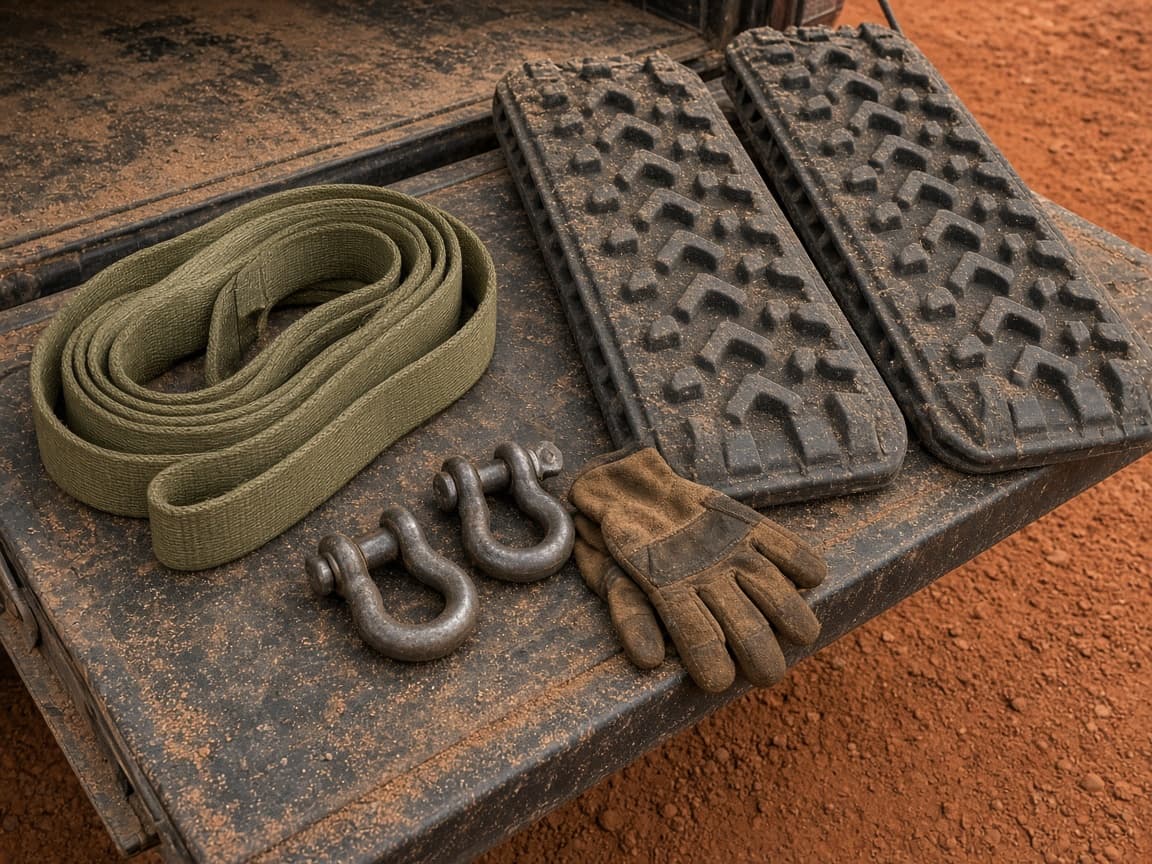
Snatch straps
Kinetic energy is not a vibe
A snatch strap stores and returns energy. If the points or the people are wrong, that energy goes looking for a new job.
Choose a snatch strap before a winch for most Australian “I chose the soft shoulder” recoveries — if both vehicles have rated points and a briefed driver. A snatch strap is a kinetic tool, not a static tow rope. A hitch ball is not a recovery point. Confirm ratings. We do not rank straps or invent prices.
Kinetic
Not a tow rope
Rated
Both vehicles
Brief
Then pull
Strap versus winch, without a sermon
A kinetic strap wants two vehicles, two honest points, and a plan for the stretch. A winch wants a practised operator and a hole that will not take a second vehicle. Many Australian weekends are the first story.
If your points are hope, you are not shopping. You are fixing the vehicle. Recovery point thread.
Kinetic versus static
People say “snatch strap” when they mean a stretchy recovery strap. A static line is a different tool. Using the wrong one is how you shock a hitch or fail to move a vehicle. Read the label on the strap you actually own. If you cannot find a label, retire it.
Equaliser or bridle talk belongs with someone who understands the geometry. This page will not invent a setup diagram that gets someone hurt.
The brief, out loud
- Who is stuck, who is pulling, and where the exit is.
- Points shown, not assumed.
- Damper on.
- People moved.
- Slow take-up until the strap is honest, then the agreed pull.
- Stop if anything looks ugly.
Pair pages
Recovery basics is the parent. Winching is the sibling. Tyre pressures prevents a share of strap days. Tread lightly reminds you not to invent a new exit through the scrub.
Post strap lessons with the rating story, not the brand story.
What kinetic energy is doing
A stretchy strap stores energy and gives it back. That is the point, and the risk. If a point or a hitch is unrated, the energy will find a new job — often involving flying metal. If people stand on the blanket, they have volunteered to be in that new job.
Static lines do not behave the same way. Read the label. If there is no label, retire the strap.
The two-vehicle brief, slower
Who is stuck. Who is pulling. Where the exit is. Points shown. Damper on. People moved. Slow take-up. Agreed pull. Stop word. After-check.
If any of those is a shrug, you are not recovering. You are hoping.
When a strap is the wrong tool
A hole that will only get worse with a yank. A vehicle with no rated point. A solo driver. A boat ramp with no second vehicle. Those are winching or “wait for help” conversations.
A pretty new line through the scrub is a tread lightly refusal, not a strap angle.
Pair and post
Recovery basics is the parent. The snatch or winch first sticky is the board version of this page. Post failure modes. Leave #1 lists in the bin.
A strap day that stays boring
Both drivers hear the same exit. Both see the points. The damper is not optional because the pull “looks small”. People are behind a vehicle or a bank, not on the blanket. After the stuck vehicle is rolling, stop and check the strap for heat or damage before you coil it into the next hole.
If you needed a pretty new line through scrub to make the geometry work, you needed a different plan — tread lightly first. Then outback driving. Then maybe a strap.
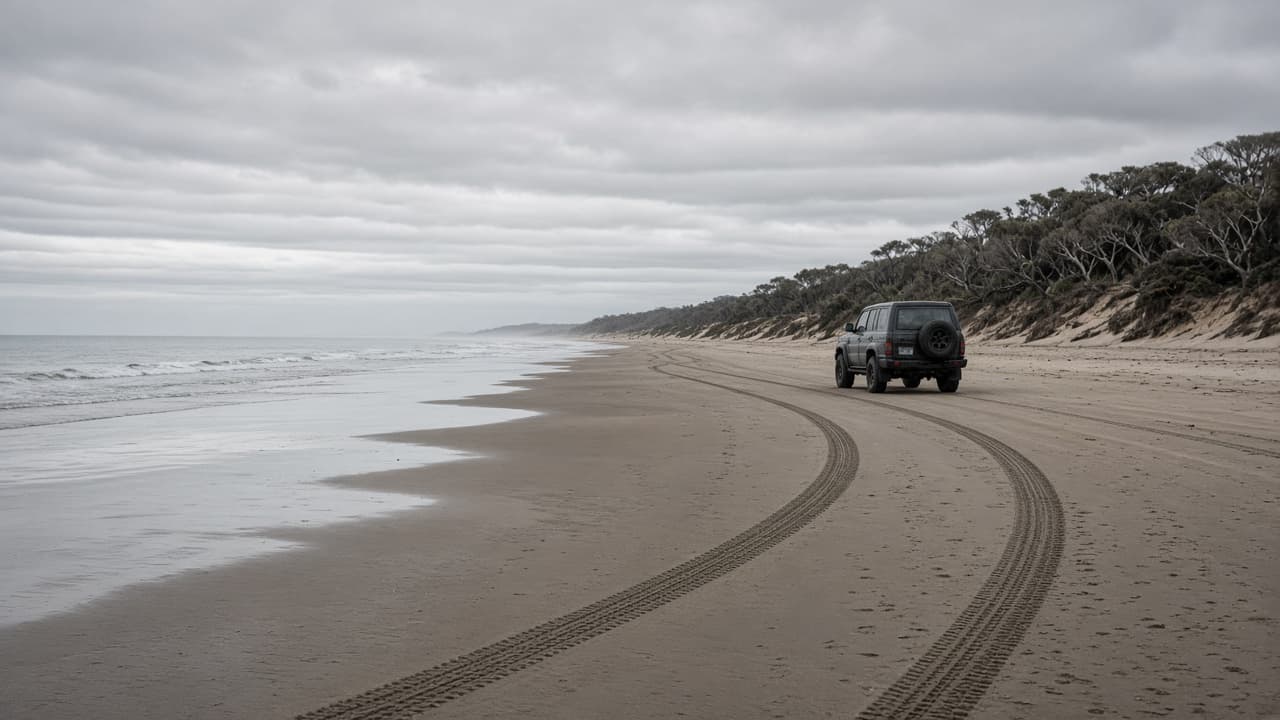
Most Australian “I chose the soft shoulder” days are this tool, not a bumper catalogue. Practise the brief in a paddock so the first time you store kinetic energy is not on a beach with a drone overhead. If the points are unrated, stop shopping and read recovery basics until that sentence is boring.
Snatch first versus winch first
| Feature | Snatch-first weekend | Winch-first plan |
|---|---|---|
| Vehicles | Two, briefed. | One, practised. |
| Points | Rated on both ends. | Rated on the stuck vehicle and the anchor. |
| Typical job | Soft shoulder, shallow hole. | Solo, ramp, or a hole a strap will worsen. |
| Failure mode | Energy looking for a new job. | Line, bumper, or operator error. |
Keep reading
Questions people actually ask
Snatch strap vs winch — which first?+
For most briefed two-vehicle recoveries on Australian weekends, a kinetic strap and rated points come first. A winch comes when you have a solo or ramp job and have practised.
Can I snatch off a tow ball?+
No. A ball or unrated hitch is not a recovery point. Fix the points before you shop straps.
Why a damper?+
If something fails, a weighted damper helps keep the line from becoming a spear. Use one every time.
Which strap is best?+
We do not rank them. We ask whether it is kinetic or static, labelled, and matched to rated points.
Fix the points, then talk straps.
The board wants failure modes and briefs — not a #1 kinetic strap.