Platforms
Vehicles that already have a job
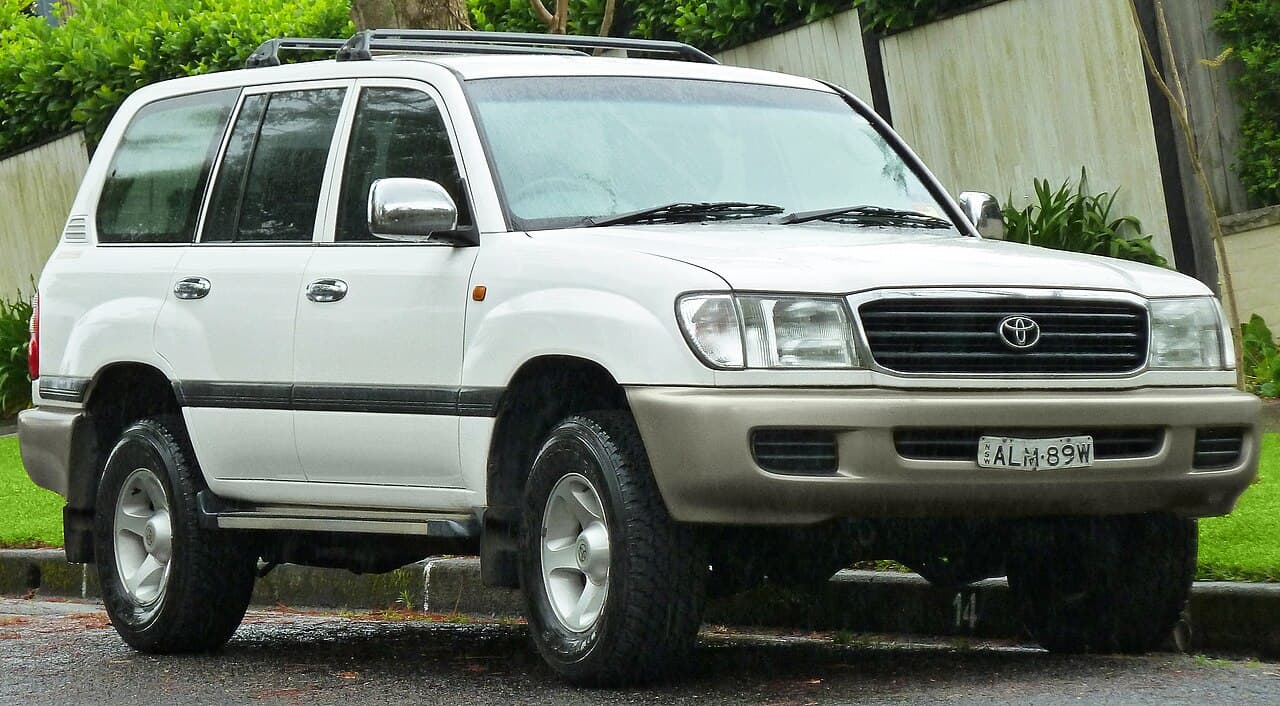
Toyota Land Cruiser FZJ105R GXL wagon — OSX, Wikimedia Commons, public domain.
These pages are not brochures. They are how Australians talk about used touring and work 4×4s — corrugations, inspection, and the badge that does not grant a permit.
Australian 4×4 platforms should be read as used touring and work vehicles with a job, a service history, and a habit of meeting corrugations — not as trophies or ranked products. Start with the leaf that matches the badge in your driveway or classifieds, then read recovery, tyre pressures, and buying-used before you argue on the board. Confirm manufacturer limits and a parks page before you copy anyone’s setup — including ours.
7
Platform leaves
Used
Touring and work
No #1
Badge sermons
What this hub is for
The board will argue badges until the kettle boils. These pages sit beside that noise so a newcomer can read a calm version: what Australians actually use these platforms for, what corrugations do to a week of dirt, and what a used-buy inspection should smell like when nobody is inventing a price.
We write about vehicles as used touring and work tools. A 79 that has lived on a station, a GU wagon that has done the High Country, a dual-cab Hilux that has done both a tray week and a Cape shoulder season — those are the objects. We do not write “the best 4×4”. We do not publish a ranking. We do not invent asking prices, tow figures, or a lift height that is “safe” as a fact.
If you only open one sibling after this hub, make it buying used. If you only open one skill page, make it recovery basics and tyre pressures. The badge does not walk a crossing.
Platforms, not personalities
Australian dirt does not care whether the grille says Toyota, Nissan, Ford, Holden, Jeep, or Mitsubishi. It cares whether the recovery points are rated, whether the driver will air down and air up, and whether the party will turn around when the park page or the water says so. Read outback driving for the pacing version of that sentence.
What the badge does change is the used-market conversation: wagon versus tray, independent front versus a live axle, how a regional town stocks filters, and which unglamorous wear items people mention after a week of corrugations. Those are inspection and logistics questions. They are not a morality play.
The seven leaves, in the order we usually send people
- LandCruiser — 76 and 79 as work-tourers, 80/100/200 as wagons, and the Patrol question answered carefully.
- Patrol — GQ and GU, coil wagon versus leaf ute, and what desert miles wear first.
- Hilux — the dual-cab, and whether it is “enough” for remote Australia (skills and formed roads, not a trophy).
- Ranger — service and tray questions, especially beside a Colorado.
- Colorado — the same dual-cab job from the other driveway, after brand and dealer weather.
- Wrangler — the worth-it question for Australian tracks that are often long and formed.
- Pajero — a historical touring wagon, now an honest used-market inspection.
Sibling reading lives in the guides hub, travel, and the vehicles and mods board. Post the messy version there. Link the calm version here.
Corrugations are a vehicle conversation
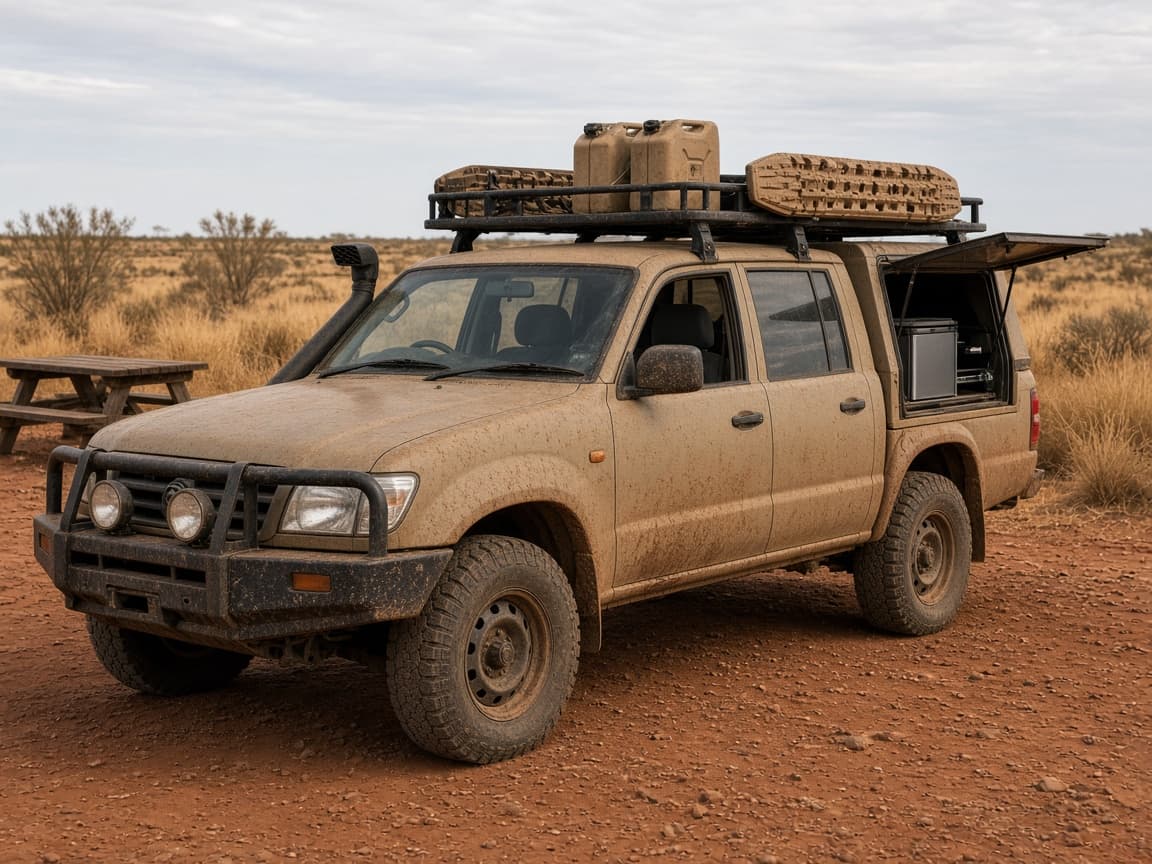
A formed remote road in Australia is frequently a washboard. Powder over a hard base will rattle a canopy until the latches complain, polish shock bushes into oval holes, and teach a fridge slide what “secured” actually meant. Speed and tyre pressures are two levers. The third is honesty about load: drawers, water, a steel bumper, and a second spare are mass that the springs did not meet in a showroom.
We will not invent a shock brand or a lift as the answer. We will say: stop and feel the tyre on a hot afternoon, torque what the manufacturer says you should torque, and treat a week of dirt as a maintenance interval you can hear. The Patrol coil versus leaf thread is the lived version. The 76 versus 79 thread is the wagon-versus-tray version.
If your classifieds dream is a lifted trophy that has never seen a week of chatter, budget time for an inspection that looks at bushes, weeping shocks, cracked canopy mounts, and a tailshaft that has been asked to live at an angle. Then still read buying used.
Buying used without turning the site into a shopfront
This hub will not host a price. It will not tell you a year is “the one”. It will tell you to see the vehicle in daylight, start it cold if you can, look underneath for oil that has a story, and treat a clean engine bay on a touring wagon as a question rather than a compliment.
A useful inspection spine, without pretending to be a workshop manual:
- Identity and service records you can read, not a folder of receipts for accessories alone.
- Chassis and wagon rust in places water sits — sills, rear quarters, tray mounts, recovery-point welds.
- Bushes, shocks, and steering play after you imagine a week of corrugations, not a car-park loop.
- Cooling, intercooler piping, and a temperature gauge that you watch on a hill, not in the driveway.
- Recovery points that are stamped for recovery. A tow ball is still not a recovery point — recovery basics.
- Electrics that have been added: dual batteries, fridges, and lights should look like a job, not a bird’s nest.
If money is in the air, the sentence belongs on buying used and the classifieds etiquette board. We do not take deposits. We do not invent asking prices. We do not rank a “best buy”.
LandCruiser versus Patrol, without a sermon
People will ask which is better. The honest Australian answer is that both families have been used touring and work vehicles for decades, and the better one is the example in front of you plus the job you will actually give it. A tidy Patrol that matches seats, range, and a service history you can read will tour more honestly than a tired LandCruiser bought for the badge. The reverse is equally true.
Parts access in your regional town, wagon versus tray, and whether you can live with the example’s rust and bushes — those are the questions. A forum in 2011 is not a specification. The careful version lives on the LandCruiser leaf because that is where the question is shouted loudest. Do not treat this hub sentence as a winner.
Dual-cabs and the “enough” question
A great deal of remote Australia is a formed road, a station track, a beach access, or a park track with a gate and a season. A dual-cab Hilux, Ranger, or Colorado with honest tyres, rated points, water, and a driver who will pick a line is often plenty for that country. “Enough” is a skills and surface sentence. It is not a trophy, and it is not a dare to leave the formed road because the badge felt brave.
The Hilux lift thread is where people argue wear items instead of slogans. The Ranger versus Colorado thread is where trays, drawers, and regional service get a lived paragraph. Read those after the leaves, not instead of a parks page.
Wrangler and Pajero are different questions
A Wrangler is frequently asked to justify itself on Australian tracks that are long, corrugated, and loaded with water. That is a worth-it question about wheelbase, comfort, parts, and the week you will actually drive — not a canyon photograph. A Pajero is frequently asked to justify itself because it is no longer the new wagon in the driveway. That is a historical touring-wagon question: seats, a lockable interior, and an ageing used example that still has to pass an inspection.
Neither leaf will tell you the platform is finished or immortal. Both will send you to buying used and travel.
Skills that outrank the badge
We will keep repeating the same short syllabus the guides already use:
- Walk a crossing you cannot see the exit of.
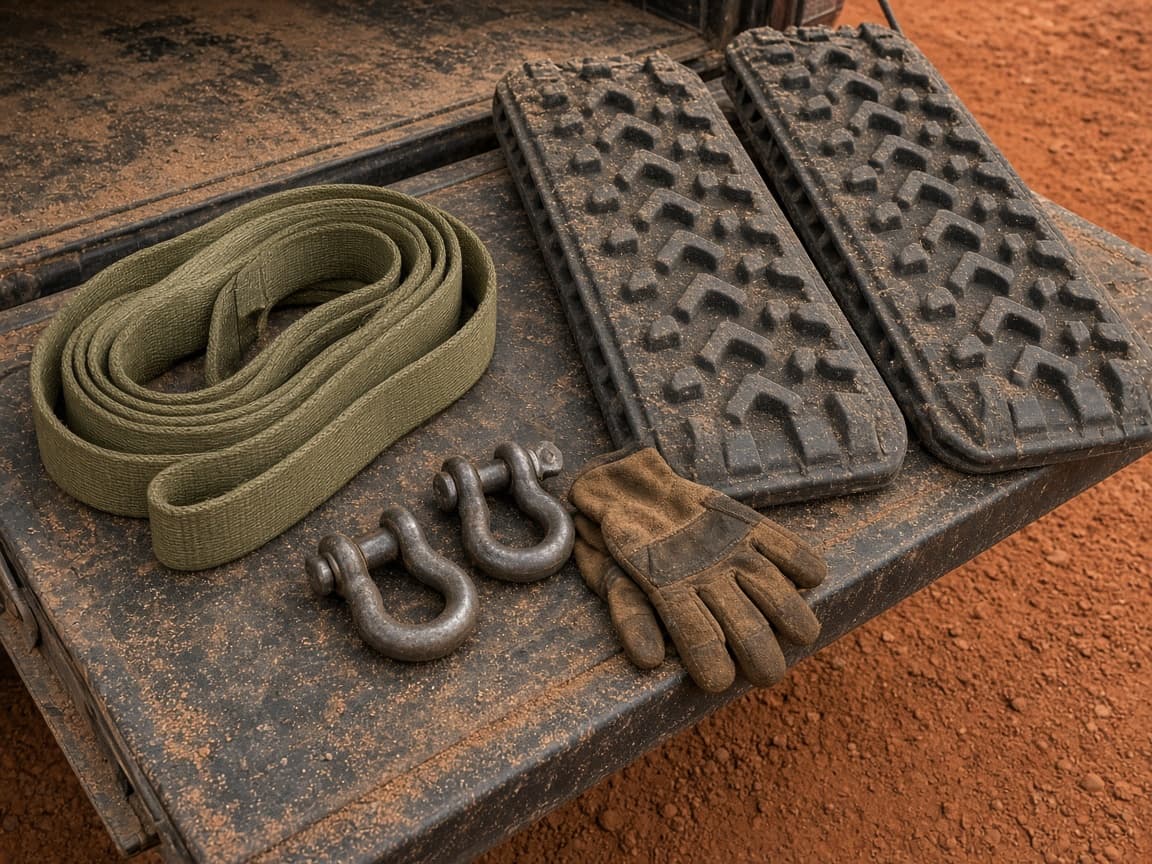
- Brief a recovery before a strap comes tight.
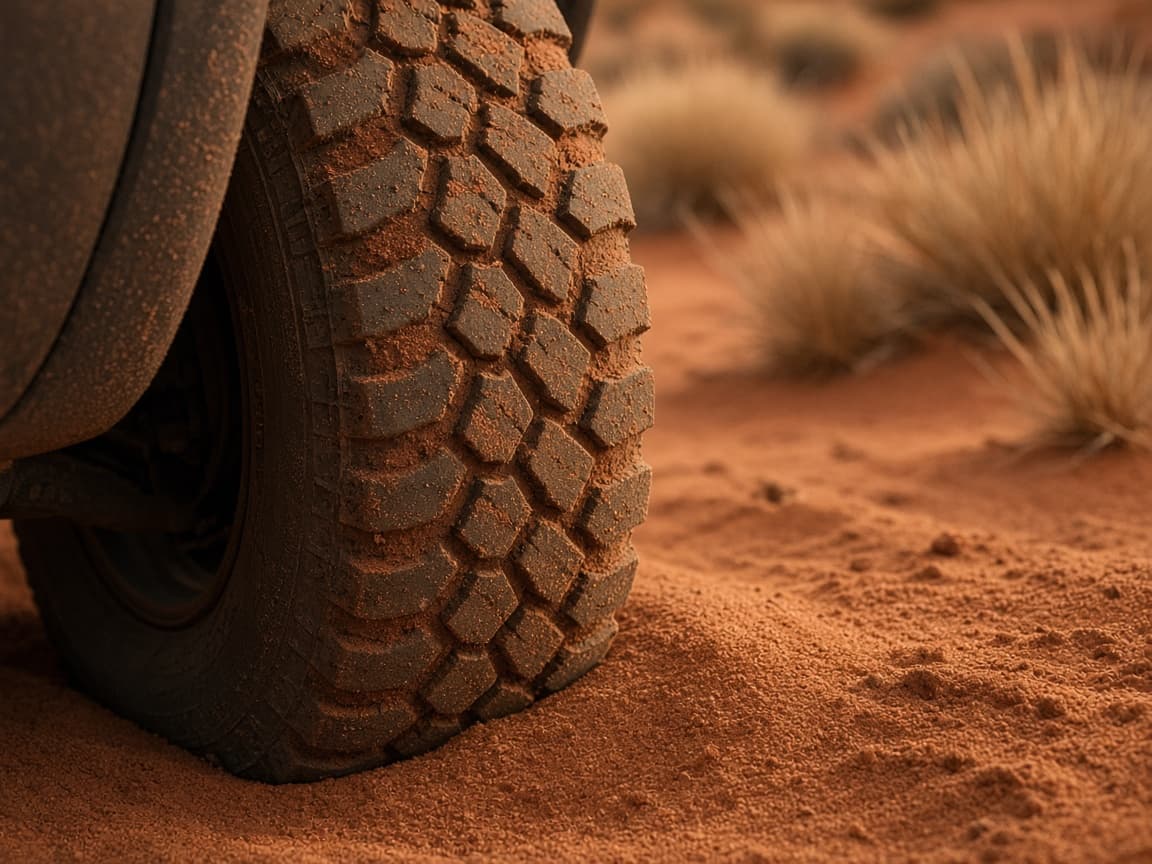
- Write a tyre-pressure band on the visor and air up before bitumen.
- Check the official park or agency page the morning you roll.
- Turn around while you still can.
A 200 Series does not earn a closed northern crossing. A stock dual-cab does not lose a formed desert road that a calm driver and a parks bulletin already blessed. Tread lightly is still driving. Packing is still water before kitchen theatre.
How the board and these pages should talk
Post the lived failure mode on vehicles and mods: what wore, what you would inspect twice, how a canopy behaved on chatter. Link the platform leaf so the next reader is not starting from a brochure. If your thread invents a price or a #1 lift, rewrite it. If your thread teaches a used-buy habit or a turn-around, it is doing the job this site exists for.
A useful internal-link habit: every vehicle argument should point at this hub or a leaf, buying used if money is mentioned, and one how-to if the argument is really about recovery or pressure. Every trip report should still point at travel.
What we will not do on a vehicle page
We will not tell you a LandCruiser is “the best” or a Hilux is “enough” as if those were moral facts. We will not publish a #1 shock, tyre, or bull bar. We will not invent GVM, GCM, or tow ratings — those belong on a plate and in manufacturer documentation that you confirm for the exact vehicle. We will not give legal, medical, or insurance advice. Compliance, modifications, and what an insurer will say are questions for a qualified person and the document in your hand.
If a sentence wants to become a product sermon, it belongs in the bin. If it wants to become a dare, it belongs on a closed track you did not walk.
Practise, then post
A paddock syllabus still beats a light bar you have not aimed: radio check, air down and air up, place boards, brief a strap, plug a tyre, say “we turn around”. Do that in a club or a quiet property before you treat a desert as a classroom. Then come back and post what the vehicle actually did — bushes, dust, a fridge that walked, a recovery point you could read.
The country is the same whether the badge is humble or loud. Read the leaf. Read the park page. Leave the trophy talk for people who are not going anywhere.
Platform talk versus trophy talk
| Feature | Platform page | Trophy talk |
|---|---|---|
| Job | Used touring and work, named honestly. | A badge that grants a track. |
| Prices | None invented. | A “good buy” with a made-up number. |
| Corrugations | Bushes, load, speed, pressure. | A lift as a personality. |
| Enough | Skills and formed roads. | A slogan on a tailgate. |
Keep reading
Questions people actually ask
Which Australian 4×4 should I buy?+
Buy the used example that matches the job, the seats, and a service history you can read — not a badge sermon. Start with the platform leaf and the buying-used inspection spine. We do not rank a winner or invent a price.
Is a dual-cab enough for remote Australia?+
On formed remote roads, a calm driver, honest tyres, and a turn-around habit often matter more than a wagon badge. “Enough” is skills and surface, not a trophy. Confirm the park page for the week you will actually drive.
LandCruiser or Patrol?+
Neither is a moral fact. A tidy example that fits the job will tour more honestly than a tired hero bought for the grille. Read the LandCruiser leaf for the careful version, then inspect the vehicle in front of you.
Do you publish prices or #1 mods?+
No. We talk jobs, corrugations, and inspection habits. Invented prices and ranked products belong off this site — including in vehicle threads.
Read the platform. Post the wear.
If a leaf changed how you inspect or pack, say so on the board — with the bushes and the park page, not a secret price.