
Travel hub
Travel pages you can cite beside a trip report
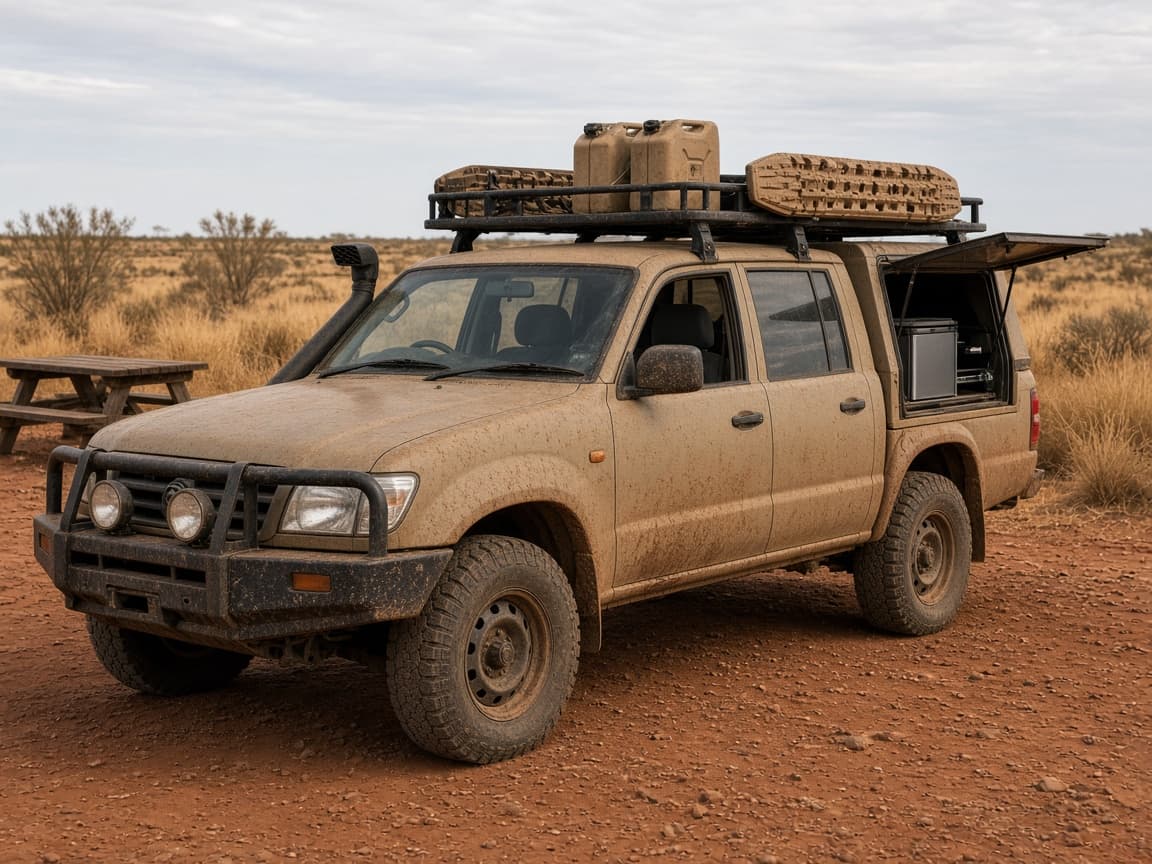
French Line, Simpson Desert Regional Reserve — Tandrew22, Wikimedia Commons, CC BY-SA 4.0.
The board is for the week you actually had. These pages are the calm map: which agency, which season caution, and which skill page to open before you tow out.
Australian 4×4 travel starts with the park agency for the state you are in — Queensland Parks and Wildlife Service, Parks Victoria, DBCA and WA parks, NT Parks, Parks Australia, SA desert parks, or Tasmanian Parks — then a morning check of that page, then the matching how-to. We do not invent closures, permits, or prices. Dry season in northern Australia is commonly discussed as the middle of the year; a late storm can still close a crossing.
7
State leaves
Agency
Before a pin
None
Invented closures
What this hub is for
These travel pages sit next to the board, not instead of it. A trip report can tell you that a powder section rattled a 79, or that a Friday dump turned a High Country spur into clay. A travel page should tell you which official agency owns the answer, which season people commonly treat as more predictable, and which skill page to read before you copy anyone’s itinerary — including ours.
We write for Australian conditions and Australian names: K’gari and Inskip on the Queensland coast, Cape York as a Queensland destination, Wonnangatta and formed alpine roads in the High Country, the Gibb River Road and Kimberley crossings in Western Australia, Shark Bay and Péron sand, NT parks and station etiquette, SA desert parks, and Tasmanian Parks vehicle access. We do not write dealer brochures. We do not invent a closure, a permit fee, a “best weekend”, or a legal right of way from a pin.
If you only open one page before a first remote week, make it outback driving and recovery basics. If you only open one page before a beach weekend, make it beach driving and tyre pressures. If you only open one page before a Victorian long weekend after rain, make it High Country.
How to check a park without inventing a closure
The tracks and parks board exists because people still treat a 2022 Facebook pin as a permit. The order we keep repeating:
- Official page for the land you will actually stand on — QPWS, Parks Victoria, DBCA / WA Parks and Wildlife Service, NT Parks and Wildlife, Parks Australia for Commonwealth parks, SA desert parks bulletins, Tasmanian Parks and Wildlife Service, plus forestry pages where the road is a state forest.
- A human if the HTML looks abandoned — a ranger station, a visitor centre, a phone number on that same page.
- Humility the morning you roll. Wind, flood, fire, and a late storm rewrite access after you have already packed.
- Tread lightly: if it is closed, that is the answer. If it is a station, a pin is not permission.
We will not tell you a named spur is open this weekend. We will not publish a seasonal calendar that pretends to be the ranger. We will point at the agency and ask you to confirm.
The seven state leaves
Read the leaf for the state you are fuelling in. Borders do not care about your itinerary, and a Cape York week is still a Queensland conversation even if you daydreamed it on a Victorian forum.
- Queensland — K’gari, Inskip, Cooloola-style beach approaches, and Cape York dry-season pacing under QPWS and related pages.
- New South Wales — NPWS and Forestry Corporation forests, permitted beaches, alpine cautions, formed dirt that teaches without a trophy.
- Victoria — Parks Victoria, High Country clay, alpine seasonal notes, and why rain is a turn-around sport.
- Western Australia — DBCA, Shark Bay and Péron, south-west forests, and the Kimberley as a separate experience question.
- Northern Territory — NT Parks, Parks Australia parks, wet-season honesty, and station-track etiquette.
- South Australia — desert parks, Flinders and Gawler country, and long formed roads that still punish optimism.
- Tasmania — Tas parks, western vehicle-access areas, and weather that does not wait for a mainland dry season.
Sibling reading that is not a state: beach driving, High Country, and Kimberley. Those three exist because people search the sport, not the border.
Three travel sports that are not states
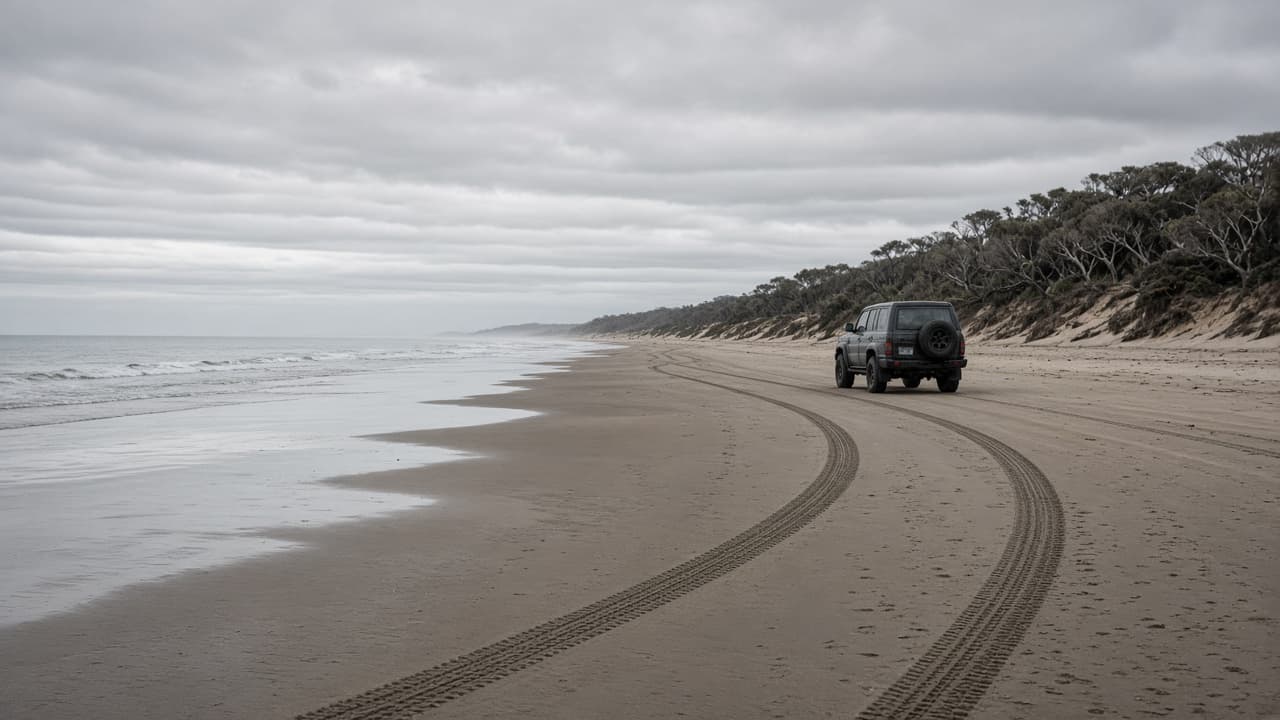
Beach driving is a tide, permit, and pressure conversation every day of the year. K’gari, Inskip, Péron, and a suburban sand track are not the same classroom. The firmer legal line at low tide is not a licence to braid the approach. Read beach driving before you air down in a car park argument.
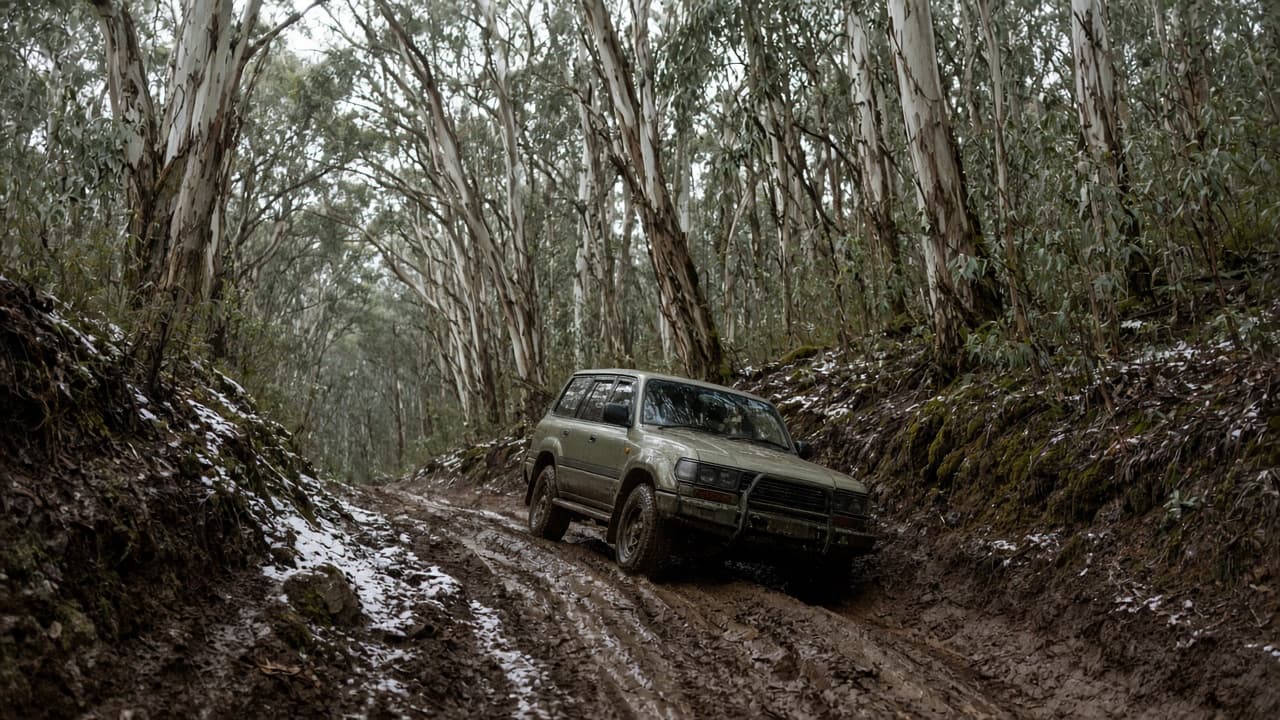
High Country is Parks Victoria clay, snow gums, and formed roads that become trenches when someone “keeps momentum” after rain. Beginners belong on formed roads with a rain turn-around, not on a Wonnangatta pinch because a video looked dry. Read High Country.
The Kimberley is not a beginners’ first remote week. The Gibb River Road and the crossings people photograph are a distance, heat, and experience-level conversation. Read Kimberley before you treat a mid-year leave form as a guarantee.
Seasons people skip
Northern Australia’s dry season is commonly discussed as the more predictable window for the Kimberley, the Top End, and Cape York — often spoken of as the middle of the calendar year. That sentence is a starting habit, not a forecast. A late storm can still close a crossing. Wet-season closures exist because extraction becomes someone else’s helicopter. The wet season thread has the line we like: if we have to be extracted, we become the problem the country already has.
Alpine Victoria and Kosciuszko-adjacent NSW can be greasy after a Friday dump in autumn, and alpine roads have seasonal management that belongs on Parks Victoria or NPWS pages, not in a memory of last April. Beach driving does not get a dry season. It gets a tide chart.
Desert parks in wind or flood can close a dune section after you have already packed. Check the morning you roll. SA desert parks and Parks Australia pages are the adults in that room.
Skills that travel with you
A state leaf is not a substitute for a skill. Pair every destination with:
- Outback driving — pacing, water, walking a crossing, turning around.
- Tread lightly — formed tracks, waste, gates, Country, no secret-line culture.
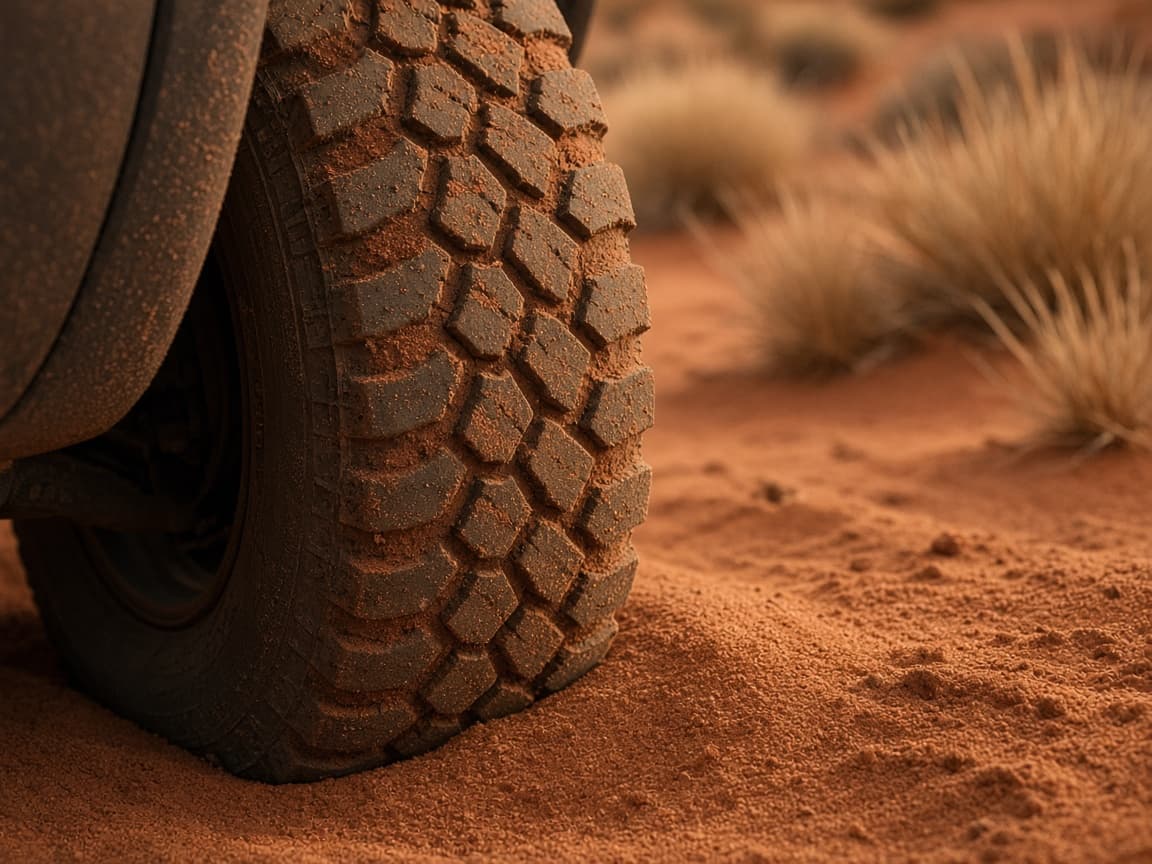
- Tyre pressures — starting bands, then the surface in front of you, then air up.
- Recovery basics — rated points, boards, a brief, spectators behind something solid.
Vehicles do not grant permission. A LandCruiser or Patrol with a lift is still a vehicle that can drown in a hole you did not walk. A stock dual-cab on a formed forest road with a calm driver is often plenty. Read the vehicles hub if the argument is a platform. Read this hub if the argument is a park.
How to write a trip report this site will keep
Post the messy version on trip reports. Link the calm version here. Include the agency page you checked, the date you checked it, and the turn-around you took. Leave prices and “best track” sermons in the bin. If your thread invents a closure or a ranking, the board crew will ask you to rewrite it.
A useful internal-link habit: every trip report should point at a state leaf and one how-to. Every beach photo should point at beach driving and tyre pressures. Every recovery photo should point at recovery basics. Every “is the Kimberley okay for our first desert week?” thread should point at Kimberley and then at a smaller classroom.
What we will not do on a travel page
We will not tell you a destination is open. We will not publish a fee. We will not nominate a #1 beach or a secret High Country spur. We will not give legal or medical advice. We will not treat Traditional Owner rules, station rules, or a closed cultural site as optional flavour. If a sentence wants to become a highlight reel, it belongs in the bin.
Where to go next on this site
Start with the state you are actually driving. Then open tracks and parks for the dated question, and the board for the lived one. If you want a club to stand behind the vehicle while you learn, do that before a remote week. Then come back and post.
Travel page versus trip report
| Feature | Travel page | Board thread |
|---|---|---|
| Job | Agency, season caution, skill links. | Dated, local, argumentative. |
| Closures | Points at the official page. | Asks how you checked this week. |
| Prices | None invented. | None invented — etiquette sticky. |
| Destinations | Public names, no secret pins. | Habits and turn-arounds, not trophies. |
Keep reading
Questions people actually ask
Which travel page should I read first?+
Read the state you will fuel in, then the sport if it is beach, High Country, or Kimberley. Pair it with outback driving or tyre pressures before you copy an itinerary.
When is northern Australia’s dry season?+
People commonly treat the middle of the year as the more predictable window for the Kimberley, Top End, and Cape York, but a late storm can still close a crossing. Confirm the park page for your dates.
Do you list open tracks or permit prices?+
No. We name agencies and public destinations. We do not invent closures, fees, or a right of way from a pin.
Can I quote these pages on the board?+
Yes. Link the travel leaf, then add the dated local bit the page cannot know — the page you checked and the turn-around you took.
Check the agency. Then post the week.
If a travel page changed how you plan, say so on the board — with the park page you opened, not a secret pin.